

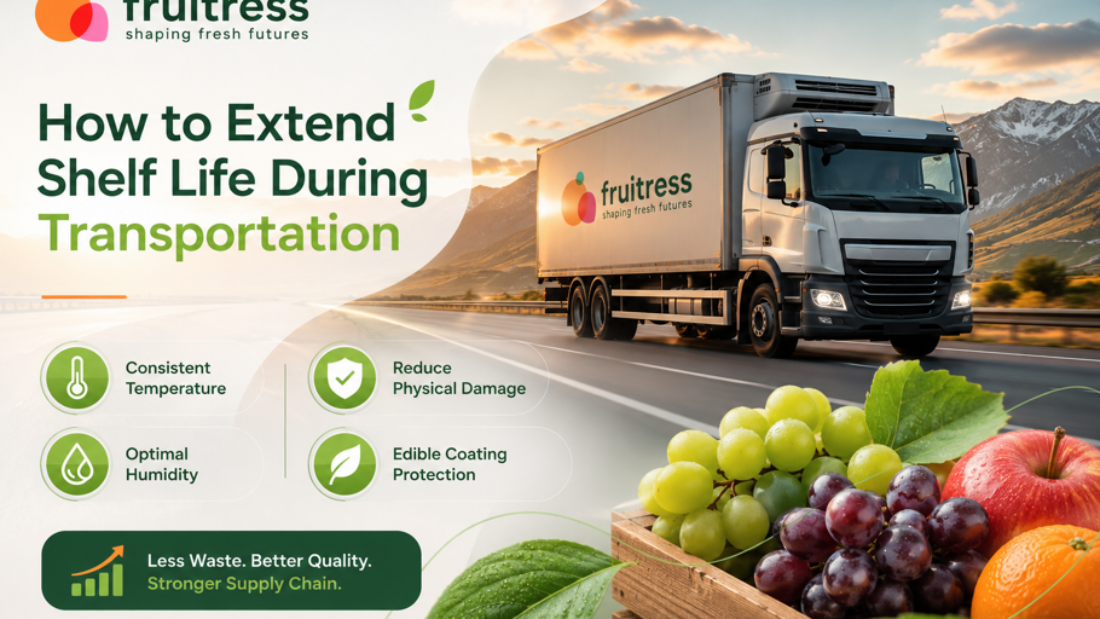
How to Extend Shelf Life During Transportation
Fresh produce often travels hundreds—or even thousands—of kilometers before reaching consumers. During transportation, fruits and vegetables are exposed to temperature changes, moisture loss, handling damage, and natural ripening processes, all of which can reduce quality and shorten shelf life.
Fortunately, there are several effective ways to keep produce fresher for longer while in transit.
Why Produce Spoils During Transportation
Common causes of spoilage include:
- Temperature fluctuations
- Moisture loss and dehydration
- Mechanical damage during loading and unloading
- Ethylene buildup accelerating ripening
- Microbial growth during extended transit times
Even small losses can significantly impact profitability for growers, distributors, and retailers.
Best Practices for Extending Shelf Life
1. Maintain Consistent Temperature
Temperature control remains one of the most important factors in preserving freshness.
Benefits include:
- Slower respiration rates
- Reduced ripening
- Lower microbial activity
- Better product quality upon arrival
2. Minimize Physical Damage
Proper packaging and handling help reduce bruising and product loss.
Recommendations:
- Use appropriate containers
- Avoid over-stacking pallets
- Secure loads during transportation
3. Control Humidity Levels
Low humidity can cause fruits and vegetables to lose water rapidly, leading to shrinkage and reduced market value.
Maintaining optimal humidity helps preserve:
- Weight
- Texture
- Appearance
- Freshness
4. Manage Ethylene Exposure
Many fruits naturally release ethylene gas, which accelerates ripening.
Separating ethylene-producing produce from sensitive products can significantly reduce spoilage during transport.
5. Use Advanced Preservation Technologies
Modern shelf-life extension solutions provide an additional layer of protection throughout the supply chain.
Plant-based edible coatings can help:
- Reduce moisture loss
- Slow oxidation
- Delay ripening
- Protect product quality during longer shipments
The Business Impact
Extending shelf life during transportation offers measurable benefits:
- Lower spoilage rates
- Reduced product shrinkage
- Increased customer satisfaction
- Expanded distribution reach
- Higher profitability across the supply chain
For distributors and produce suppliers, even a small reduction in spoilage can translate into substantial annual savings.
Conclusion
Transportation is one of the most critical stages in the fresh produce supply chain. By combining proper temperature management, careful handling, humidity control, and innovative preservation technologies, businesses can significantly reduce losses and deliver fresher products to market.
As supply chains become longer and consumer expectations continue to rise, extending shelf life during transportation is no longer a competitive advantage—it’s a necessity.
Add a Comment