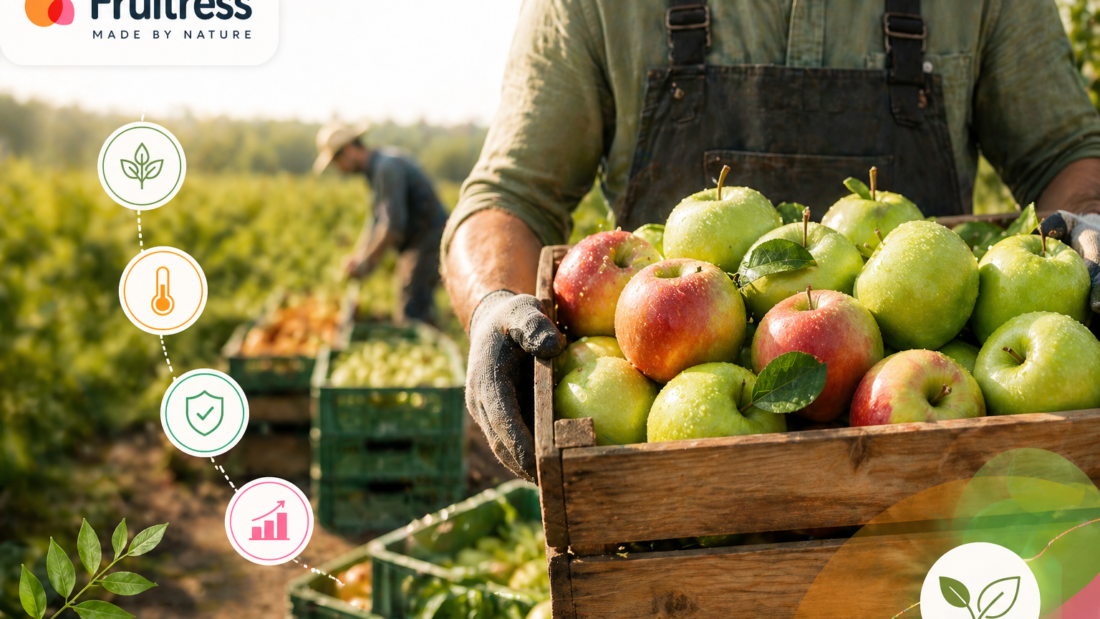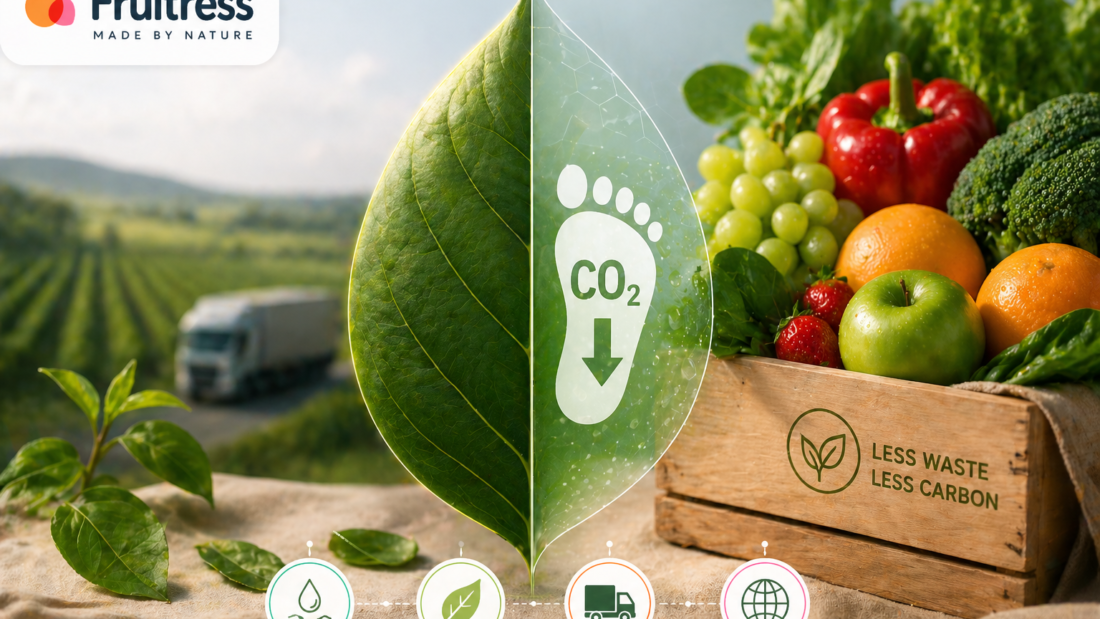
ChatGPT Image Apr 28, 2026, 02_39_29 PM

How Much Food Is Wasted Globally

Introduction

Food waste remains one of the most urgent and overlooked challenges in the global food system. In 2025, despite advances in agriculture and logistics, a significant portion of the world’s food production never reaches consumers.

Understanding the scale, causes, and emerging trends of food waste is essential—not only for policymakers but also for farmers, distributors, and food technology innovators seeking sustainable solutions.

How Much Food Is Wasted Globally?

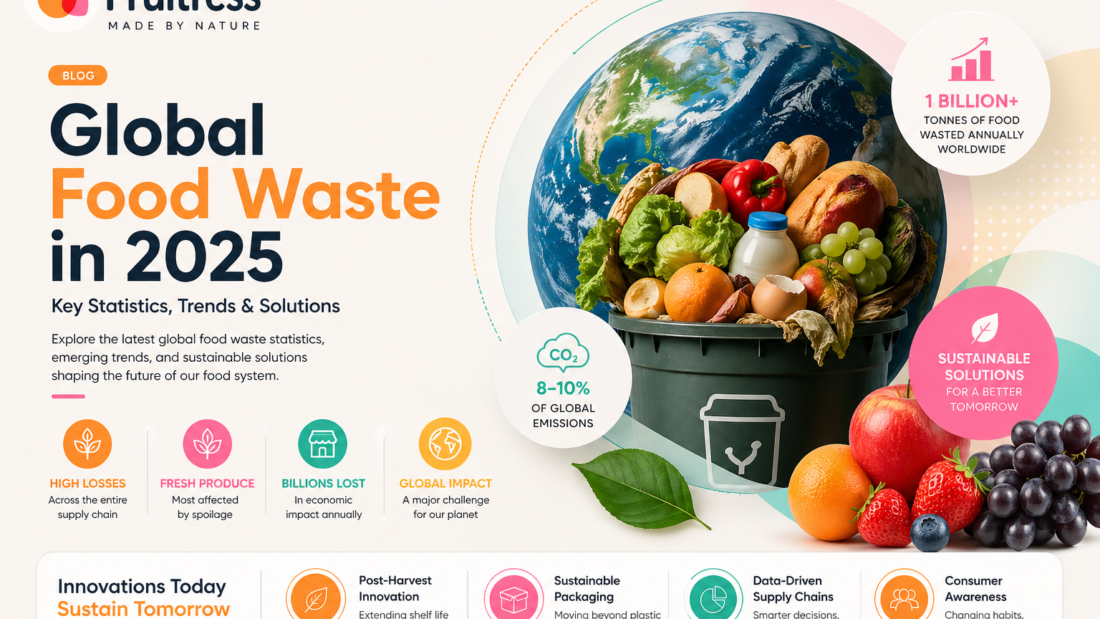
Recent data shows that more than 1 billion tonnes of food are wasted annually worldwide, representing nearly 20% of all food available to consumers.

This waste occurs across the entire supply chain:

  • On farms due to harvesting inefficiencies
  • During transportation because of spoilage
  • At retail level due to overstocking and cosmetic standards
  • At the consumer level due to purchasing and consumption habits

Fruits and vegetables are among the most vulnerable categories, with high spoilage rates due to their perishable nature.

Food Waste by Region

Food waste is a global issue, but its causes vary by region:

Developed Markets (North America, Europe)

  • High waste at retail and consumer levels
  • Strict cosmetic standards for produce
  • Over-purchasing and low price sensitivity

Emerging Markets (Asia, Latin America, Africa)

  • Post-harvest losses dominate
  • Lack of cold storage infrastructure
  • Inefficient transportation and supply chains

In countries like Canada, food waste continues to represent billions of dollars in economic loss annually, highlighting both an environmental and financial challenge.

The Environmental Impact of Food Waste

Food waste is not just a supply chain inefficiency—it is a major environmental issue.

When food is wasted:

  • Water used for irrigation is lost
  • Energy used for production and transport is wasted
  • Organic waste generates methane in landfills

Globally, food waste is responsible for approximately 8–10% of greenhouse gas emissions, making it one of the largest contributors to climate change.

Why Fresh Produce Is the Most Affected

Fresh fruits and vegetables are highly perishable and sensitive to environmental conditions.

Key causes of spoilage include:

  • Moisture loss leading to shriveling
  • Oxidation causing discoloration
  • Microbial growth leading to decay
  • Ethylene gas accelerating ripening

Without proper preservation methods, produce can lose market value within days after harvest.

Emerging Trends in Food Waste Reduction (2025)

As awareness grows, several trends are shaping the future of food waste reduction:

1. Post-Harvest Innovation

New technologies are focusing on extending shelf life directly after harvest, where losses are highest.

2. Sustainable Packaging Alternatives

There is a global shift away from plastic packaging toward biodegradable and edible solutions.

3. Data-Driven Supply Chains

AI and predictive analytics are helping optimize inventory and reduce overstocking.

4. Consumer Awareness

More consumers are prioritizing sustainability, influencing retailers and suppliers to adopt waste-reduction practices.

The Role of Edible Coatings in Reducing Waste

One of the most promising solutions in 2025 is the use of plant-based edible coatings.

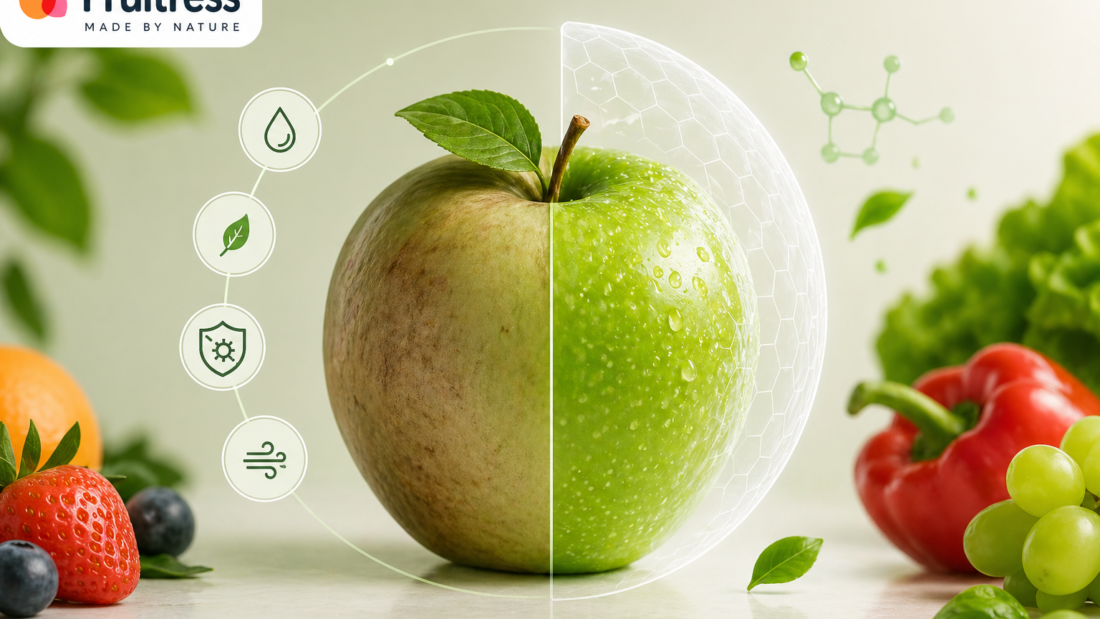
These coatings act as a natural barrier that:

  • Reduces moisture loss
  • Slows oxidation
  • Delays ripening
  • Protects against microbial growth

By extending shelf life, edible coatings can significantly reduce post-harvest losses without relying on plastic packaging or chemical preservatives.

A Call to Action: Rethinking Food Preservation

Reducing food waste requires action at every stage of the supply chain—from farms to consumers.

For producers and distributors, the opportunity is clear:

  • Invest in better post-harvest solutions
  • Adopt sustainable preservation technologies
  • Optimize logistics and storage practices

Innovations like those developed by Fruitress are helping reshape how fresh produce is preserved, making it possible to deliver fresher products while reducing environmental impact.

Conclusion

Food waste in 2025 remains a critical global challenge—but also a major opportunity for innovation.

By combining technology, sustainability, and smarter supply chains, the food industry can move toward a future where less is wasted and more is preserved.
The question is no longer if we can reduce food waste—but how fast we can scale the solutions.

ChatGPT Image Apr 28, 2026, 03_03_25 PM

How Edible Coatings Work

How Edible Coatings Work: The Science Behind Longer-Lasting Fresh Produce

Introduction

Fresh fruits and vegetables begin to deteriorate the moment they are harvested. Despite advances in cold storage and logistics, post-harvest losses remain a major challenge across the global food supply chain.

In recent years, edible coating technology has emerged as a powerful, sustainable solution to extend shelf life, reduce food waste, and maintain produce quality—without relying on plastic packaging or synthetic chemicals.

But how exactly do edible coatings work?

What Are Edible Coatings?

Edible coatings are thin, invisible layers made from natural, food-grade materials that are applied to the surface of fruits and vegetables.

They act as a protective barrier, mimicking the natural skin of produce while enhancing its ability to:

  • Retain moisture
  • Slow down oxidation
  • Reduce microbial growth
  • Control gas exchange

Unlike traditional packaging, edible coatings are consumed along with the product, making them a clean-label and environmentally friendly solution.

The Science Behind Edible Coatings

The effectiveness of edible coatings lies in their ability to regulate the key factors that cause spoilage.

1. Moisture Control

One of the main causes of produce deterioration is water loss.

As fruits lose moisture:

  • They shrink
  • Their texture degrades
  • Their market value decreases

Edible coatings form a semi-permeable layer that reduces water evaporation, helping fruits remain fresh and firm for longer.

2. Oxygen and Oxidation Management

Oxygen exposure leads to oxidation, which causes:

  • Browning (e.g., apples, bananas)
  • Flavor degradation
  • Nutrient loss

Edible coatings limit oxygen penetration, slowing down oxidative reactions and preserving the visual and nutritional quality of produce.

3. Ethylene Regulation (Ripening Control)

Ethylene is a natural plant hormone responsible for ripening.

However, excess ethylene accelerates:

  • Softening
  • Color change
  • Spoilage

Edible coatings help regulate ethylene exchange, effectively delaying ripening and extending shelf life.

4. Microbial Protection

Microorganisms such as bacteria and fungi are a major cause of food spoilage.

Some edible coatings incorporate natural antimicrobial properties, creating an additional barrier against:

  • Mold growth
  • Surface contamination
  • Rot development

Materials Used in Edible Coatings

Edible coatings are typically made from natural biopolymers, including:

  • Polysaccharides (e.g., cellulose, starch)
  • Proteins (e.g., plant proteins)
  • Lipids (natural waxes and oils)

Each material contributes different functional properties, allowing coatings to be customized for specific types of produce.

Application Methods

Edible coatings are designed to integrate seamlessly into existing agricultural workflows.

They can be applied using:

  • Spraying
  • Dipping
  • Rinsing systems

No complex machinery is required, making the technology scalable from small farms to large distribution centers.

Benefits of Edible Coatings

The adoption of edible coatings offers significant advantages across the supply chain:

For Farmers

  • Reduced post-harvest losses
  • Increased sellable yield
  • Extended market access

For Distributors & Retailers

  • Longer shelf life during transport
  • Lower shrinkage rates
  • Improved product quality

For the Environment

  • Reduced food waste
  • Lower carbon footprint
  • Elimination of plastic packaging

Edible Coatings vs Traditional Preservation Methods

Factor Edible Coatings Plastic Packaging Chemical Preservatives
Sustainability High Low Medium
Food Safety High High Variable
Environmental Impact Low High Medium
Consumer Acceptance Growing Declining Declining

The shift toward clean-label and sustainable solutions is accelerating the adoption of edible coatings globally.

The Future of Food Preservation

As the global food system evolves, the need for smarter, more sustainable preservation methods is becoming critical.

Edible coatings represent a key innovation at the intersection of:

  • AgriTech
  • Sustainability
  • Food security

Companies like Fruitress are advancing this technology by developing coatings that are not only effective, but also scalable, cost-efficient, and environmentally responsible.

Conclusion

Edible coatings are more than just a protective layer—they are a transformative solution for one of the biggest challenges in the food industry.

By controlling moisture, oxygen, ethylene, and microbial activity, these coatings significantly extend the life of fresh produce.

In a world where nearly one-fifth of food is wasted, technologies like edible coatings are not optional—they are essential.

ChatGPT Image Apr 28, 2026, 03_22_26 PM

How Farmers Can Reduce Post-Harvest Losses

How Farmers Can Reduce Post-Harvest Losses

Introduction

For farmers, post-harvest losses are more than just wasted produce—they directly impact profitability, efficiency, and long-term sustainability.

Globally, a significant portion of fresh fruits and vegetables is lost between harvest and market due to spoilage, improper handling, and limited preservation methods.

Reducing these losses is one of the most effective ways to increase yield value—without increasing production.

What Causes Post-Harvest Losses?

Fresh produce is highly sensitive after harvest. The main causes of loss include:

  • Moisture loss leading to shrinkage and weight reduction
  • Mechanical damage during harvesting and transport
  • Temperature fluctuations accelerating spoilage
  • Microbial growth causing decay
  • Over-ripening due to ethylene exposure

Without proper management, these factors can lead to losses of 30–50% in some supply chains.

Best Practices to Reduce Post-Harvest Losses

1. Harvest at the Right Time

Timing matters. Harvesting too early or too late affects shelf life, taste, and durability.

2. Handle Produce Carefully

Minimize physical damage by:

  • Using proper containers
  • Avoiding over-stacking
  • Reducing drop impact during handling

3. Control Temperature and Humidity

Cooling produce quickly after harvest slows down:

  • Respiration rate
  • Moisture loss
  • Microbial growth

Even basic shade and ventilation can make a difference for small farms.

4. Improve Storage Conditions

Use clean, dry, and well-ventilated storage areas.
Separating produce types can also prevent cross-ripening and spoilage.

5. Use Modern Preservation Technologies

Traditional methods alone are no longer enough. New solutions like edible coatings provide an additional layer of protection.

How Edible Coatings Help Farmers

Edible coatings, such as those developed by Fruitress, act as a natural protective barrier on the surface of produce.

They help:

  • Reduce moisture loss
  • Slow down ripening
  • Protect against microbial growth
  • Extend shelf life by up to 2x

The result is:

  • More sellable produce
  • Less waste
  • Better margins

Best of all, these coatings can be applied easily through spray, dip, or rinse systems—without requiring complex equipment.

The Business Impact

Reducing post-harvest losses is one of the fastest ways to improve farm profitability.

Benefits include:

  • Higher revenue from the same harvest
  • Lower waste disposal costs
  • Access to more distant markets
  • Improved product quality and consistency

Conclusion

Post-harvest losses are not inevitable—they are manageable.

By combining better handling practices with modern preservation technologies, farmers can significantly reduce waste and increase the value of every harvest.

Solutions like Fruitress are helping farmers move toward a more efficient, sustainable, and profitable future.

ChatGPT Image Apr 28, 2026, 03_28_03 PM

Reducing Food Waste = Reducing Carbon Footprint

Reducing Food Waste = Reducing Carbon Footprint

Introduction

Food waste is often seen as a supply chain inefficiency—but in reality, it is a major environmental challenge.

Today, nearly one-fifth of all food produced globally is wasted, and every kilogram of wasted food carries a hidden cost: carbon emissions.

Reducing food waste is one of the fastest and most effective ways to lower the global carbon footprint.

The Link Between Food Waste and Emissions

Every stage of food production generates greenhouse gas emissions:

  • Farming and irrigation
  • Fertilizers and energy use
  • Packaging and transportation

When food is wasted, all these resources—and their emissions—are wasted as well.

In addition, food waste that ends up in landfills produces methane, a greenhouse gas significantly more potent than CO₂.

As a result, food waste is responsible for 8–10% of global greenhouse gas emissions.

Why Fresh Produce Matters Most

Fruits and vegetables are among the most wasted food categories due to their short shelf life.

Key challenges include:

  • Rapid moisture loss
  • Fast ripening
  • Sensitivity to temperature and handling

Without effective preservation, a large portion of fresh produce never reaches consumers—especially in long supply chains.

Reducing Waste at the Source

To lower emissions, the focus must shift to preventing waste before it happens, especially after harvest.

Key strategies include:

  • Improving storage and transportation conditions
  • Reducing handling damage
  • Extending shelf life through better preservation

The longer produce remains fresh, the lower the risk of waste—and the lower the environmental impact.

The Role of Sustainable Technologies

Innovations in food preservation are playing a critical role in reducing both food waste and emissions.

One of the most promising solutions is plant-based edible coatings.

These coatings:

  • Slow down moisture loss
  • Delay ripening
  • Reduce spoilage
  • Extend shelf life without plastic packaging

By keeping produce fresh longer, they help reduce waste across the entire supply chain.

Beyond Food Waste: Reducing Plastic Use

Traditional preservation often relies on plastic packaging, which creates additional environmental challenges.

Edible coatings offer a dual benefit:

  • Reducing food waste
  • Eliminating the need for plastic wrap

This makes them a key solution for building a more sustainable, low-carbon food system.

Conclusion

Reducing food waste is not just about saving food—it is about protecting the planet.

Every step taken to extend shelf life and prevent spoilage directly contributes to lowering carbon emissions.

For farmers, distributors, and retailers, adopting smarter preservation methods is no longer optional—it is essential for a more sustainable future.

fruits-background-35xyfdyv4iasjcmk

Addressing Global Food Waste

The staggering statistics on annual agricultural product losses worldwide are a call to action. Edible coatings, such as those pioneered by startups like Friutress, are stepping into the spotlight as a sustainable solution to mitigate these losses. By significantly reducing spoilage and waste, these coatings play a crucial role in addressing the global challenge of food waste, aligning with broader sustainability goals.

fruits-background-35xyfdyv4iasjcmk

Preserving Flavor, Extending Freshness

Traditional preservation methods often come at a cost – altering the taste, texture, or visual appeal of fruits. Edible coatings, however, offer a unique solution. By forming an invisible, tasteless layer, these coatings shield fruits from post-harvest threats without compromising their inherent qualities. The result? Extended freshness and a longer shelf life that delights both producers and consumers.

fruits-background-35xyfdyv4iasjcmk

Unveiling the Significance of Edible Fruit Coatings in the Market

In the ever-evolving landscape of agriculture, where innovation meets necessity, the emergence of edible fruit coatings has become a pivotal game-changer. Backed by a growing body of research and industry trends, these coatings are making waves for their transformative impact on post-harvest preservation. Here’s a glimpse into why edible fruit coatings is garnering attention and reshaping the market.